
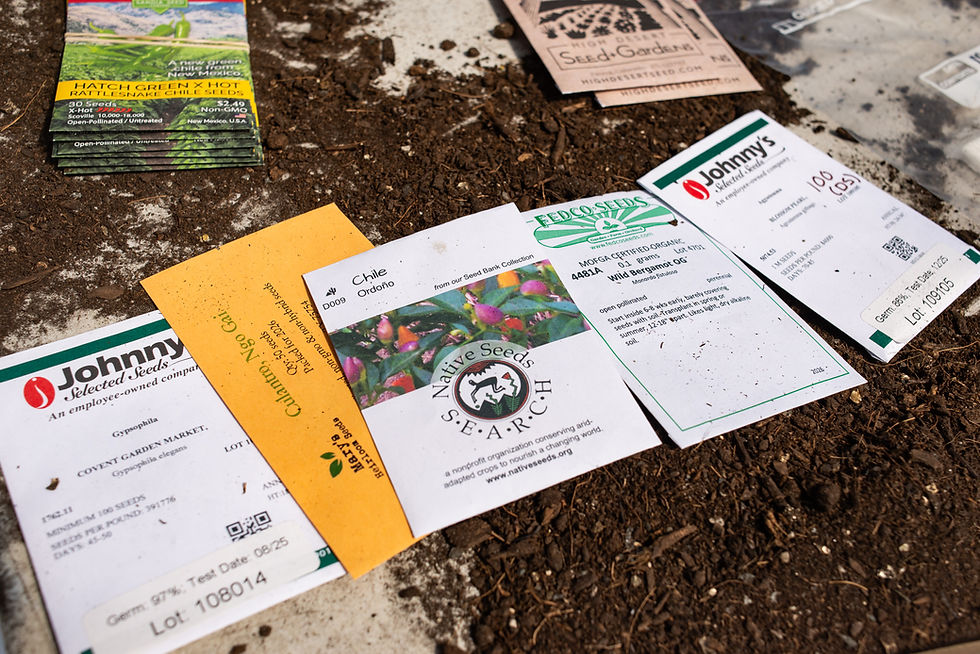
PEPPERS
OUR
PEPPER
VARIETIES
Many of our peppers are made to be roasted - deeply savory and addicting varieties from southern CO and northern NM.
Each variety has a particular heat level, from mild to fiery, and can be roasted either in its green, unripe stage (bright, vegetal, savory) or in its red, ripe stage (earthy, sweet & hot, rich).
Also traditionally strung up and dried in ristras for use throughout the year!
ANAHEIM (SHU: 500 - 2,500)
Roasting Pepper
HISTORY: Originated in New Mexico although named after the place where they were popularized: Anaheim, California. The Anaheim is a mild variety of the cultivar New Mexico No. 9.
FLAVOR: Tangy and smoky with a slight sweetness/fruitiness that enhances as the chiles age.
USES: Perfect for enhancing flavor without excessive heat. Can be roasted, grilled, eaten raw, and are often used in salsas and stews. Also great for stuffing due to their size.
BIG JIM (SHU: 1,500 - 3,000)
Roasting Pepper
HISTORY: In 1975 a professor at New Mexico State University developed Big Jim in collaboration with a farmer named Jim Lytle. Big Jim is a cross between a native New Mexican chile and a Peruvian one. Big Jims stand out due to their large size, sometimes reaching over 1 foot long.
FLAVOR: Sweet, earthy flavor.
USES: Their large size and mild heat makes them ideal for chile rellenos. Also ideal for roasting, which brings out the peppers character.
CHILE DE ARBOL (SHU: 15,000 - 30,000)
HISTORY: Native to Mexico, this small but mighty pepper has been cultivated for centuries.
FLAVOR: Bright heat and slightly nutty flavor.
USES: Can be used fresh or dried. Key ingredient in many Mexican sauces and salsas. Can also be infused into oils, pickled, or toasted whole.
HONG GOCHU (SHU: 1,500 - 7,000)
HISTORY: Red chiles introduced to Korean cuisine in the 16th century and quickly adapted into their culinary practices.
FLAVOR: Sweet, smoky, and mildly spicy.
USES: Dried and ground for the classic Korean chile powder, gochugaru. Essential for kimchi and flavoring all kinds of stir fries and stews. Can also use fresh to add a sweet, earthy kick to anything.
JALAPEÑO/SMOKED CHIPOTLE (SHU: 2,500 - 8,000)
HISTORY: Originating in Mexio dating back to 6000 BCE, cultivated by the Aztecs and Mayans. Named after the city of Xalapa (prounounced Jalapa).
FLAVOR: Bright, "grassy" flavor with a slight sweetness.
USES: Can be used fresh in salsas or, my favorite, stuffed with cheese and wrapped with bacon. Can be pickled and used on anything from nachos to hamburgers to escabeche.
DRIED: When a jalapeño has been allowed to age until it turns red, is smoked, and dried, it becomes what's known as a chipotle pepper: everyone's favorite addictively smoky, sweet, rich, spicy hero to salsas, chile, meat seasoning, etc.
MOSCO/PUEBLO (SHU 5,000 - 10,000)
Roasting Pepper
HISTORY: Originating from a landrace of the Mira Sol pepper, this pepper was developed in and adapted to Pueblo, Colorado. "Mira sol" means to look up at the sun, which refers to the fruit's upward growth habit. Chosen for its roasting qualities (thick-walled and meaty) and ability to thrive in high-elevations and short seasons.
FLAVOR: Medium-hot sweet and smoky flavor.
USES: Perfect for roasting, stuffing, and freezing.
POBLANO/DRIED ANCHO (SHU: 1,000 - 2,000)
Roasting Pepper
HISTORY: Poblanos originated in Puebla, Mexico, hence the name! They were a staple in the diets of early indigenous Mexicans and continue to have a starring role in Mexican cuisine.
FLAVOR: Earthy, slightly smoky, with a deeper, sweeter flavor being brought out through smoking.
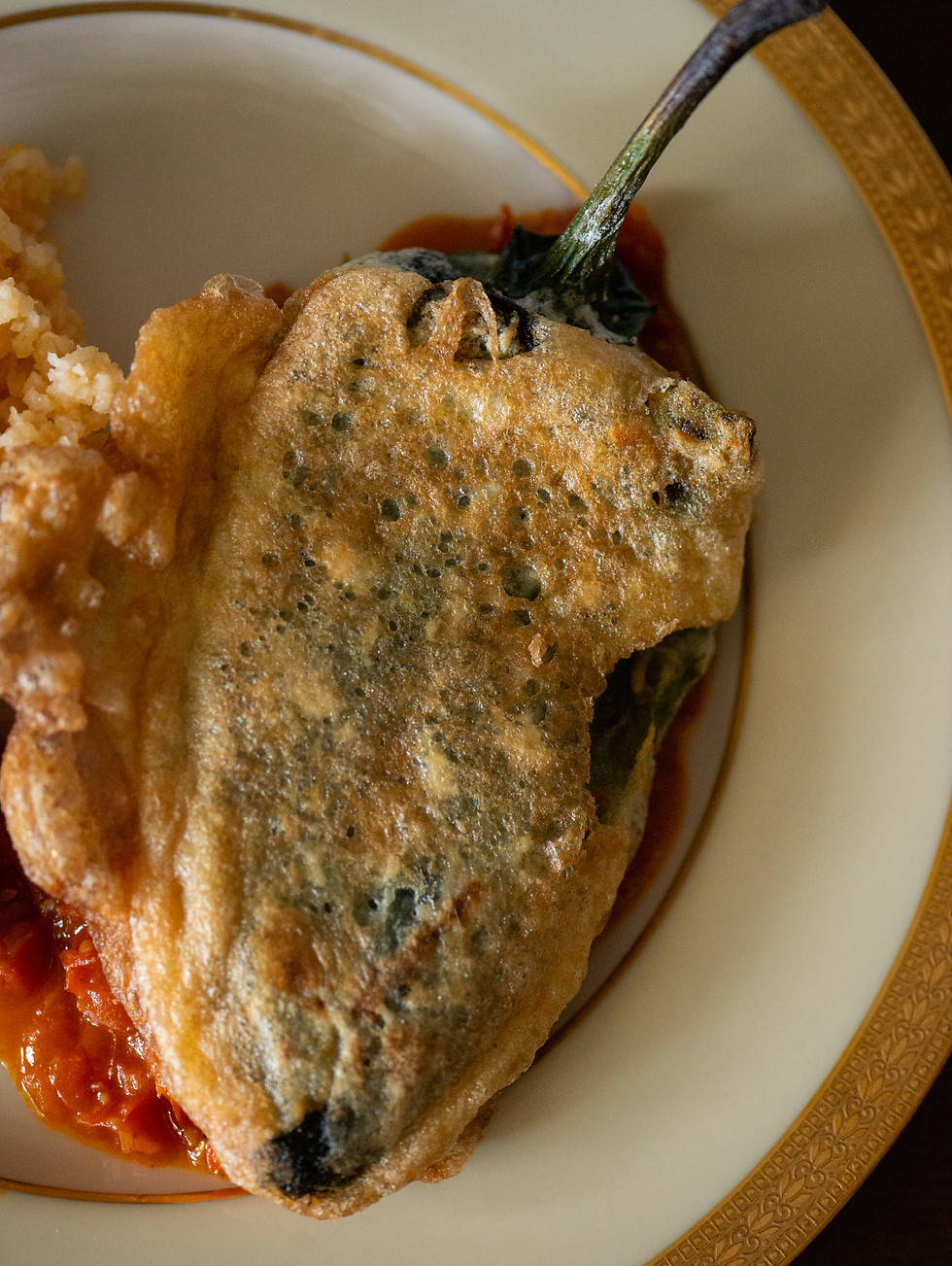
USES: Classic for rajas and chile rellenos or other stuffing purposes, often paired with mole.
DRIED: When ripened and dry, it is called Chile Ancho, and adds an earthy fruity base to all kinds of sauces and moles.
RATTLESNAKE (SHU: 10,000 - 18,000+)
Roasting Pepper
HISTORY: Originating in Hatch Valley, New Mexico, Rattlesnake is a modern variety created by the Lytle family (descendants of the creator of "Big Jim"!)
FLAVOR: Earthy flavor with a bit of smoky sweetness.
USES: Perfect for roasting! I keep a bag of roasted Rattlesnake peppers in the freezer and add them to everything, including Southwest and Mexican dishes and, my personal favorite, cheese fries! If you haven't had green chile cheese fries you haven't lived! Remove the peppers for less of a kick.
SANDIA: (SHU: 5,000 - 9000)
Roasting Pepper
HISTORY: New Mexican chile pepper created in 1956 by crossing a New Mexico No. 9 pepper with an Anaheim.
FLAVOR: Medium-hot heat with a bright, earthy, sweetness. Flavor deepens as the pepper matures.
USES: Staple for red chile powder and ristras due to its thinner walls.
SERRANO (SHU: 10,000 - 23,000)
HISTORY: Serranos originated in the Puebla and Hidalgo regions of Mexico and have been cultivted for centuries. The name "serrano" comes from the word "sierra", or "mountain", a call back to its origins in mountainous regions.
FLAVOR: Hot pepper; bright, clean flavor; mildly smoky
USES: Essential for adding clean, balanced kick to Mexican salsas. Also great in sauces, chili, and queso dip.
SHISHITO (SHU: 50 - 100 with an occassional 1000)
HISTORY: Originating in East Asia, shishitos are a Japanese heirloom variety that likely developed from Padron peppers from Spain introduced by Portuguese traders in the 16th century. Famous for the fact that about 1 out of 10 peppers is spicier than all the rest - it's the luck of the draw!
FLAVOR: Slightly sweet, smoky flavor. These are Farmer Sam's favorite peppers and she eats them like candy
USES: Addicting with just oil and salt or level it up with spices or dipping sauces. PSA for shishito fryers: using a hot AF pan is the key to get those puppies properly blistered without getting mushy! If your smoke alarm is going off, you know you're on the right track ;)


IN OUR
GARDENS
IN OUR
GARDENS
IN OUR
LINEAGE

Stevie's History with Peppers
Me n peps? We go way back.
We go back even longer than I’ve been on this planet. Chile is the earthen heat that stokes the soul fire of my people, always has been. When I catch a whiff of that roasted good good dancing delicious on a late summer breeze, a heart song from the ancestors claps my body into motion. I then seek the sensorial delight that brings me home.
And that’s what chile has always been for me: a chest warming reminder that I am in the land of my people. Whether it’s the enchanting aroma of green chiles being licked by tongues of flame, or the smokey smolder of a pot of mom’s red chile casting spells from the stove, chile has always reminded me that I belong to the land, to this particular place.
So take it from me, there are very few applications in which chile is inappropriate. Bowl of beans? Better with chile. Fresh tortillas? Better with chile. Enchiladas? Not a thing unless there’s chile. Add it to your potatoes and eggs, your pizza, your cheeseburger, your cheese fries, your salads, your morning toast, your evening beer, your morning beer, you name it - its probably better with chile. Just sayin.
IN OUR
GARDENS
Peppers (aka chiles) were domesticated at least 6000 years ago in central and south America. Peppers are in the nightshade family, along with eggplant (native to SE Asia), and tomatoes and potatoes (native to the so-called Americas).
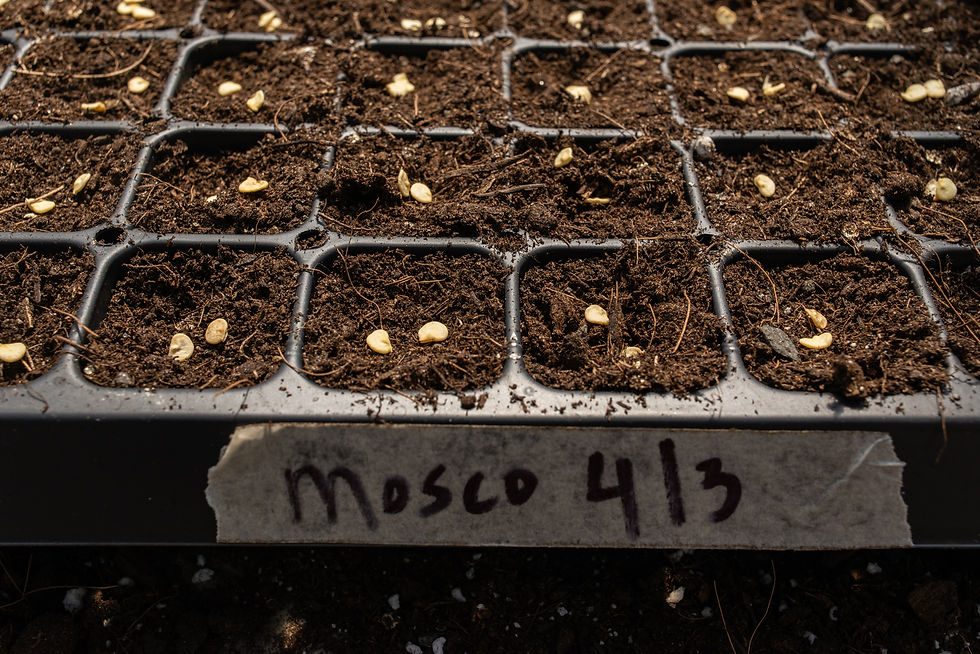
In the tropics, peppers can be perennial plants that grow year-round. In our northern latitudes, they are annuals. Pepper seeds are relatively expensive and don't always have great germination rates, so it's probably worth it to start them in trays and then transplant them, rather than direct seeding.
Peppers do well with rich soil, deep & infrequent watering, and may need the support of a stake or low trellis to hold up especially tall or large-fruited varieties. Planting peppers tightly together helps the leaves shade each other's fruits, which prevents sun scald (bleaching and damaging the fruit).
Most peppers can be harvested either green or ripe, do some taste tests to find out your favorite ripeness for each variety you want to grow! Partially ripe peps will continue to ripen post-harvest.
To save seed, leave the fruit on the plants til they are overripe and getting soft. Some folks recommend letting the flesh of the fruit start to ferment before washing it off the seeds and letting them dry for storage. - Farmer Talia
IN OUR
KITCHENS
I'll try to be brief here, but if you need a pepper deep dive in your life I highly recommend Peppers of the Americas by Maricel Presilla---she covers evolution, botany, cultural history and traditions from across the Americas and beyond, gardening, an encyclopedia of fresh and dried peppers, and recipes!
The 4 main ways that peppers show up in our kitchens are raw, cooked, roasted, and dried.
Raw: think serrano chiles minced into salsas, or a jalapeno sliced as a topping for literally anything.
Cooked: think creamy poblano rajas, or anaheims sauteed with onion and garlic as the base for a stew or breakfast scramble.
Roasted: We hope to be able to provide roasted peps to our community soon, but in the meantime, here are instructions on how to roast your own at home! Once you have freshly roasted peppers (or have thawed some from your stash in the freezer), you can add a dose of smoky, savory, sexy wow to eggs, chile sauces, chile cheeseburgers, and more.
Dried: For dried peppers of any kind, you'll want to de-seed and stem them, rehydrate in hot water or broth, then puree into a smooth paste to use as the base or flavoring for red chile sauce, pozole, salsa, rice cooking liquid, mole, meat fillings for tacos or tamales, etc. Depending on the recipe, you may also want to toast the dried peppers in a hot dry pan for a couple seconds to add some roasty flavors before rehydrating. You can also drop a whole dried pepper into a pot of beans and let it flavor the pot as it rehydrates and cooks. - Farmer Talia

.png)